Dt 770 Pro Review: Real User Experience After 3 Months
Introduction
I've been using the Beyerdynamic Dt 770 Pro almost daily for three months now — for mixing rough drafts, late-night listening, gaming sessions, and commuting on quieter trains. I bought the pair because I wanted a closed-back, comfortable studio headphone that could isolate me from household noise while still giving me enough clarity to make mixing decisions. What I found was a headphone that excels in certain real-world scenarios and shows small, honest flaws you'd only notice after putting real hours on them. This review is based on my direct, hands-on experience: how they felt out of the box, how they held up after weeks of use, how they sound across genres, and whether I'd recommend them depending on how you plan to use them.
First impressions and setup
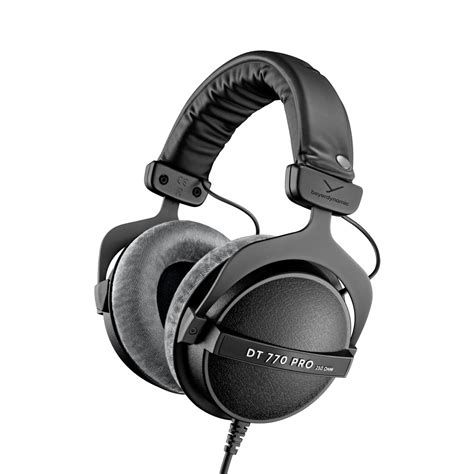
Out of the box the Dt 770 Pro felt well made and somewhat heavy — in a reassuring way. The velour pads were plush and immediately comfortable. I chose the 80Ω version because my primary source is a mid-range USB audio interface. I remember thinking the clamp felt a touch firm at first; after a week it softened up enough to be comfortable for multi-hour sessions, though if you have a very large head you might still notice some pressure around the temples. The cable is fixed to the left earcup and it's long and rugged feeling, but the non-detachable design is one of the first things I noted as a practical downside.
Build quality and comfort (what I noticed after daily use)
After three months of near-daily use, the Dt 770 Pro shows the kind of wear you'd expect from a frequently-used studio pair but no structural issues. The headband framing is metal beneath the plastic exterior and it has held up without creaking. The velour pads compressed slightly where they contact my ears, but they haven't flattened completely — they still feel cushioned and breathable compared to leatherette pads. I did notice the headband cushion is thinner than I expected for the price; if I tighten the headband for a secure fit the crown can feel a little unpadded during very long sessions.
One specific thing I appreciated is how the velour keeps my ears cool during long sessions; on summer days I sweat less than I do with leather pads. On the flip side, velour absorbs body oils and hair products, so you'll want to rotate or wash them occasionally. The fixed cable has one practical consequence I ran into: because it's not detachable, replacing or upgrading the cable requires a more involved repair than just swapping a plug-in cable.
Sound signature and real-world listening
In my experience the Dt 770 Pro has a sound signature that's easy to describe in everyday terms: tight, punchy bass; clear mids; and a smooth, slightly rolled-off treble. What that means practically is that electronic music, hip-hop, and action-heavy game audio feel energetic and immediate. I could feel a satisfying thump in kick drums and basslines without the low end becoming muddy. For acoustic tracks, vocals were clear and present, though not as forward as on some mid-centric headphone designs.
I noticed that cymbals and very bright vocal sibilance are tamer on these than on many bright open-back headphones. That helps when you’re tracking or doing long listening sessions because fatigue is low. However, if you're doing critical mastering work, the Dt 770 Pro is not strictly neutral — the bass is a little emphasized and the treble not as revealing as neutral reference headphones. In my experience this makes the Dt 770 Pro a great tracking and revision tool, and a very pleasant headphone for mixing roughs, but I tend to A/B with a flatter pair before finalizing masters.
Isolation and use cases
One thing I was pleasantly surprised by: isolation is excellent for a closed-back design. Using them at home while someone was watching TV in the next room, I could clearly focus on the details in a mix at moderate levels. For recording and monitoring, that isolation is invaluable — it cuts bleed into the microphone and helps you concentrate. For commuting, they block enough environmental noise that I rarely found myself cranking volume to overpower transit noise.
Discover deals on Audio & Headphones — updated daily.
Shop Amazon →Impedance and power requirements
With the 80Ω model connected to my audio interface I had more than enough volume headroom and decent dynamics. However, I did test them on an older phone and noticed the phone struggled to drive them to the same dynamics and loudness — the 32Ω version is friendlier to phones. If you're considering the 250Ω model, expect to need a proper amp or a good audio interface to get the best out of them; I briefly tried a 250Ω pair at a friend's studio and it sounded slightly tighter but required more power to feel lively.
Durability and maintenance after three months
Three months in, I don't have any mechanical failures to report. The cable shows no fraying and the pads are intact. The velour picked up a little dust and lint — nothing that impacts sound, but it's a reminder to keep them on a stand or in a case when not in use. The fixed cable design is my main gripe from a maintenance standpoint: I would have preferred a detachable cable for ease of replacement and for switching cable types (coiled vs straight). If longevity and modularity are priorities for you, factor that into your decision.
What I like most (specifics)
- Isolation that actually works: I could reliably mix and work around household noise.
- Electronic, Hip-Hop, EDM: Feels lively and satisfying. The low-end impact is real and helps you make rhythm and bass choices quickly.
- Acoustic and Vocal-heavy music: Vocals are clear, but I sometimes wanted a touch more air in the upper harmonics for very delicate acoustic mixes. I compensated by cross-referencing on a flatter pair.
- Podcasting and Voice Work: Excellent for monitoring during recording because isolation reduces bleed and the voice sits naturally in the mix.
- Gaming: Great for immersion — localized effects and bass-heavy explosions are full-bodied. Spatial cues are decent for a closed-back design.
Buying guide — what I would tell a friend before they buy
If you asked me whether you should buy the Dt 770 Pro, here's the pragmatic advice I give based on my three months of hands-on use.
Choose the right impedance for your setup
Think about your source. If you're going to use a smartphone or a laptop without a dedicated audio interface, the 32Ω is the easiest to drive. For a desktop audio interface or USB DAC, the 80Ω is a great middle ground and is what I ended up with because I wanted a balance of dynamics and drivability. If you have a dedicated headphone amp or a powerful console, the 250Ω can sound slightly more refined, but only if it's driven properly — otherwise it will feel underpowered.
Consider comfort mods if you plan marathon sessions
If you wear glasses or have a particularly large head, expect a break-in period for the clamp. Some users choose to gently heat (carefully) and stretch the headband or invest in aftermarket comfort pads. I didn't need major mods, but I did add a thin headband cushion to make very long sessions more comfortable.
Discover deals on Audio & Headphones — updated daily.
Shop Amazon →Think about cable needs
Because the cable is fixed, decide if you are okay with that limitation. If you travel frequently and want a replaceable cable for portability or a different connector, know that you'll either accept the fixed cable or be prepared for a repair/DIY replacement later.
Use them for tracking and rough mixes, but cross-check
These are great for tracking, editing, and producing initial mixes because they color less aggressively in the midrange and keep fatigue low. For mastering or final critical listening, use a neutral reference pair or your studio monitors to confirm decisions, especially in the treble and low bass.
Care and maintenance tips
- Keep them in a case or on a stand to reduce lint buildup on velour pads.
- Rotate or gently vacuum the pads every few weeks if you use them daily.
- Avoid yanking the cable; coil it loosely when storing to prolong lifespan.
Final verdict
After three months with the Dt 770 Pro, I feel confident saying they are one of the most practical, comfortable, and musically satisfying closed-back studio headphones in their class. What I appreciated most was how they let me work long hours without tiring and how reliably they translated low-end material. What I found frustrating was the non-detachable cable and the initial clamp pressure, both of which are common complaints but worth considering before you buy.
In my experience, if you need isolation, low fatigue, and a reliable, punchy sound for tracking, editing, or everyday music listening, the Dt 770 Pro is a very strong choice. If you need surgical, flat neutrality for mastering, pair them with a flatter open-back reference or studio monitors. After three months of real-world use, they've become my go-to headphones for late-night mixing and focused listening — comfortable, capable, and resilient enough to earn continued use on my desk.